Guided setup learning

Put Me Out of This Job Next

I really like teaching. I always wanted to be a math teacher. This is the guitar version.

Years of engineering work taught me how much good learning happens shoulder to shoulder, with the real problem sitting right there on the bench. If you are mechanically inclined and want to learn the careful way to understand your own instrument, I can help you put me out of this job next.

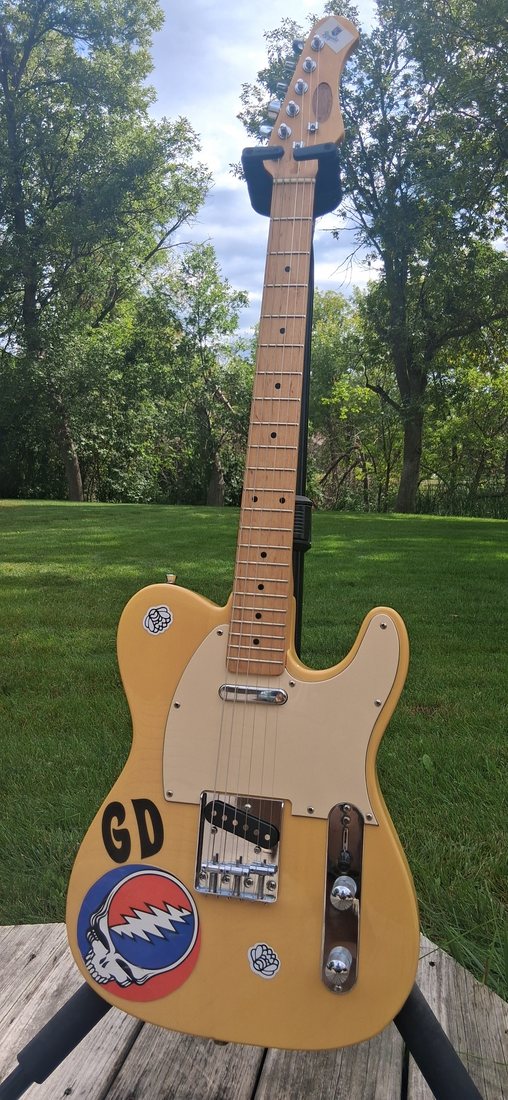
Yellow Tele-style electric guitar photographed outdoors on a stand.

What it is

A teaching block built around your guitar.

Put Me Out of This Job Next is for a player who wants to understand their own instrument and take part in the work where that makes sense.

I look the guitar over first, build a practical game plan, and then guide you through the right parts of the work during a reserved half-day block.

The point is not to hide the work. The point is to teach good judgment, careful measurement, safe tool use, and when to stop.

Who it is for

Curious, careful, mechanically inclined players.

This is for players who are mechanically inclined, patient enough to measure before adjusting, and comfortable slowing down when the guitar asks for it.

If a step is too risky, too easy to damage, or simply not a good teaching moment, I will take that part back to the bench or recommend a better path.

Willing to measure before adjusting Comfortable following shop direction Patient with small, deliberate changes Interested in the why, not only the fix

Seasonal action

Low action is a tradeoff, not a magic number.

A guitar can leave the bench playing fast and clean, then get buzzy when humidity, temperature, neck relief, string choice, tuning, or your attack changes.

A good teaching goal is learning what to measure, what changed, and when a small seasonal adjustment is reasonable.

The session can cover relief, action, pickup height, simple setup notes, and how to compare the guitar in front of you with the measurements from the day it played right.

How the session works

Inspection first, then the lesson plan.

  1. 1

    Guitar check first

    I check whether the instrument and the work you have in mind are a good fit for learning together.

  2. 2

    A written plan

    You see the time block, spending ceiling, and any known parts, tools, or materials before paid teaching work begins.

  3. 3

    Reserved half-day block

    When it is a fit, I set aside a half day. Plan on at least 3 billable hours at the standard shop labor rate.

  4. 4

    Guided work and notes

    You leave with notes from the session: what you did, what I did, what we measured, and what to watch next.

Tools and handouts

Leave with notes you can actually use.

A session can include a basic measurement checklist, setup notes from your guitar, and a small setup-measurement tool kit when that belongs in the plan.

6-inch setup rule Valve-style feeler gauges Setup notes from the session Seasonal action checklist

Bench boundaries

Some work should still stay on my bench.

I keep hold of work that is unsafe, easy to damage, irreversible, hiding a bigger problem, waiting on cure time, or needing final bench judgment.

If the instrument needs a different path, I will say so plainly. That might mean normal service, a narrower lesson, or stopping after the guitar check.

Learning the boundary is part of learning the craft.

Shop time

Billed as shop time, because it is shop time.

The guided session uses the standard Parker Precision Guitars labor rate: $60 per hour.

The half-day block has a 3-hour minimum billable time. Actual time, known parts, materials, tools, and special-order items are written into the plan before we start.

Learning time can make the job take longer than technician-only work. That is part of the value, and it should be clear before the session starts.

Email-only inquiry

Ask about a guided teaching session.

Start by entering the teaching-session question here. The next step uses the regular guitar intake so your teaching interest and guitar details arrive together.

The teaching inquiry is not complete until the guitar intake is submitted.

Completing this step moves you into the existing guitar intake. The email sends only after the full intake is submitted.